“`html
How to Use Mustard Seeds in Indian Dishes
Mustard seeds are an integral part of Indian cuisine, renowned for their versatile use in a variety of dishes. These small seeds, with their powerful flavor punch, are often used in tempering, spice blends, and marinades, providing a zesty kick to Indian dishes. In this blog post, we’ll delve into the specifics of using mustard seeds in Indian cooking, exploring their origin, flavor profile, and various uses in traditional and modern recipes. Additionally, we’ll touch on how to purchase and store them effectively, along with other surprising uses beyond the culinary world.
Indian Name and Pronunciation
In India, mustard seeds are commonly known as “Rai” (pronounced as ‘rye’) or “Sarson.” They are widely used across different regions, making them a staple in many Indian households. Depending on the region and dialect, the name might vary slightly, but “Rai” is universally understood among Indian cooks. Mustard seeds enjoy the limelight in many South Indian and North Indian dishes, each bringing its own flare to traditional recipes.
Pronunciation can sometimes be challenging for non-native speakers, but focusing on the single syllable “rye” for “Rai” or the two syllables “sar-sawn” for “Sarson” can ease that hurdle. The cultural importance and unique flavors mustard seeds bring to Indian cuisine elevate their status beyond just a spice—it’s a critical component that ties together Indian cooking methods and flavor profiles.
Appearance, Taste, and Smell
Mustard seeds are small, about 1 to 2 millimeters in size, and can be found in colors ranging from yellowish-white to black. The most commonly used are the brown and black varieties in Indian cooking. Yellow mustard seeds are more prevalent in Western cuisines and tend to have a milder flavor compared to their bolder Indian counterparts.
Upon tasting, mustard seeds impart a pungent, nutty flavor which intensifies when cracked or ground. Cooking them releases a wonderful aroma reminiscent of spicy, earthy flavors, adding depth to any dish. The initial smell can be quite unassuming, but once heated, mustard seeds burst open to release a spicy, tangy aroma that permeates the dish.
Buying It
Mustard seeds can be found in any local Indian grocery store and are now readily available in supermarkets because of their increased popularity in global cuisines. When buying mustard seeds, opt for a brand that promises authentic sourcing from India, as the climate and soil nutrients contribute significantly to the flavor profile.
It’s advisable to purchase them in small quantities to retain their freshness, as their volatile oils can degrade over time, leading to a loss of aroma and flavor. Stored properly, in an air-tight container away from sunlight, they can last up to a year. Buying whole seeds rather than ground versions is also recommended, as the whole seeds have a longer shelf life and richer flavor when freshly ground.
Using It
Mustard seeds are versatile in Indian cooking, often used in the process of tempering, known as “tadka” or “bagar.” This method involves heating oil and spices, with mustard seeds usually being the first ones into the hot oil until they crackle and pop, releasing rich flavors. This tempered oil is then poured over dals, curries, and sabzis, enhancing their taste significantly.
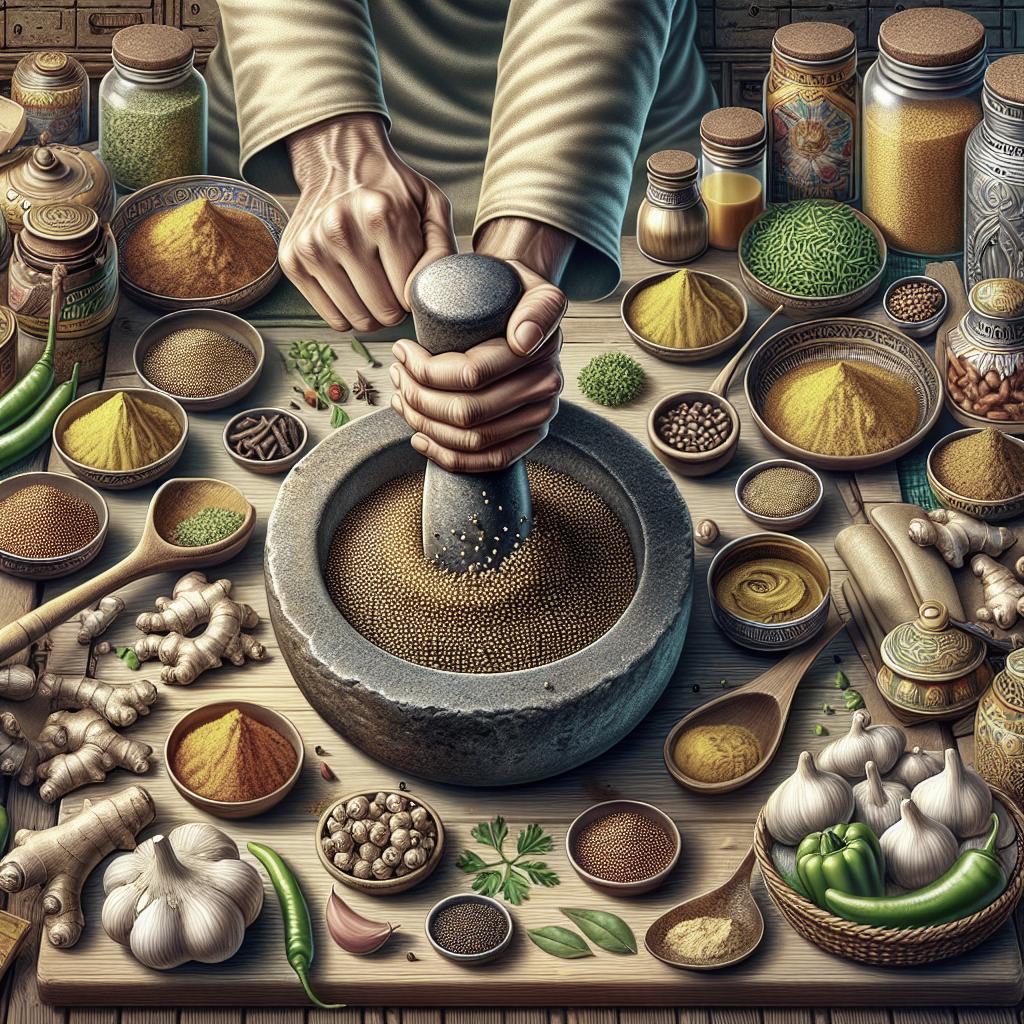
Another popular use is in pickling, where mustard seeds act as both a flavoring agent and a preservative. Ground mustard seeds are a key component in spices like panch phoron (a five-spice blend). Moreover, in dishes such as Bengali Fish Curry, mustard seeds are ground into a paste, creating a creamy texture with a zesty edge, showcasing their unique versatility.
Uses Other Than Cooking
Beyond their culinary prowess, mustard seeds boast a number of uses in traditional medicine and home remedies. They are known for stimulating circulation and are often used in poultices to relieve muscle pain. The seeds’ anti-inflammatory properties make them valuable in ayurvedic treatments to balance various body aspects.
Moreover, mustard seeds have applications in the skincare industry, finding their way into exfoliating scrubs and face masks due to their cleansing and healing properties. Their oil is also used in hair care for nourishing and strengthening hair roots, showcasing their multifunctional uses beyond the kitchen.
Lessons Learned
| Aspect | Details |
|---|---|
| Names & Pronunciation | Rai or Sarson; pronounced as ‘rye’ and ‘sar-sawn’ |
| Appearance | Small, 1-2mm seeds, ranging from yellowish-white to black |
| Taste & Smell | Pungent, nutty flavor with a spicy, tangy aroma when cooked |
| Buying Tips | Opt for small quantities from authentic sources, store in airtight containers |
| Cooking Uses | Essential in tempering, pickling, and as a spice blend ingredient |
| Non-Cooking Uses | Traditional medicine, skincare, and hair care applications |
“`