“`html
Introduction
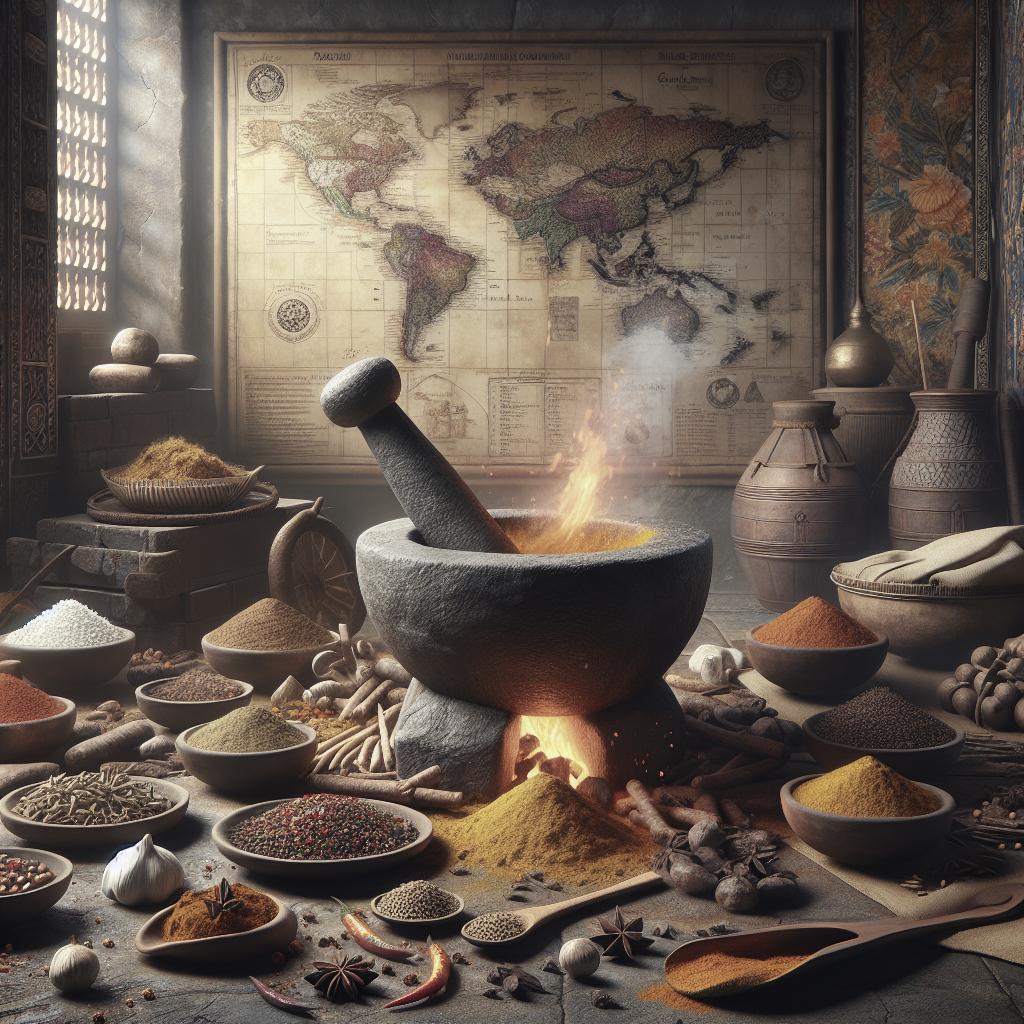
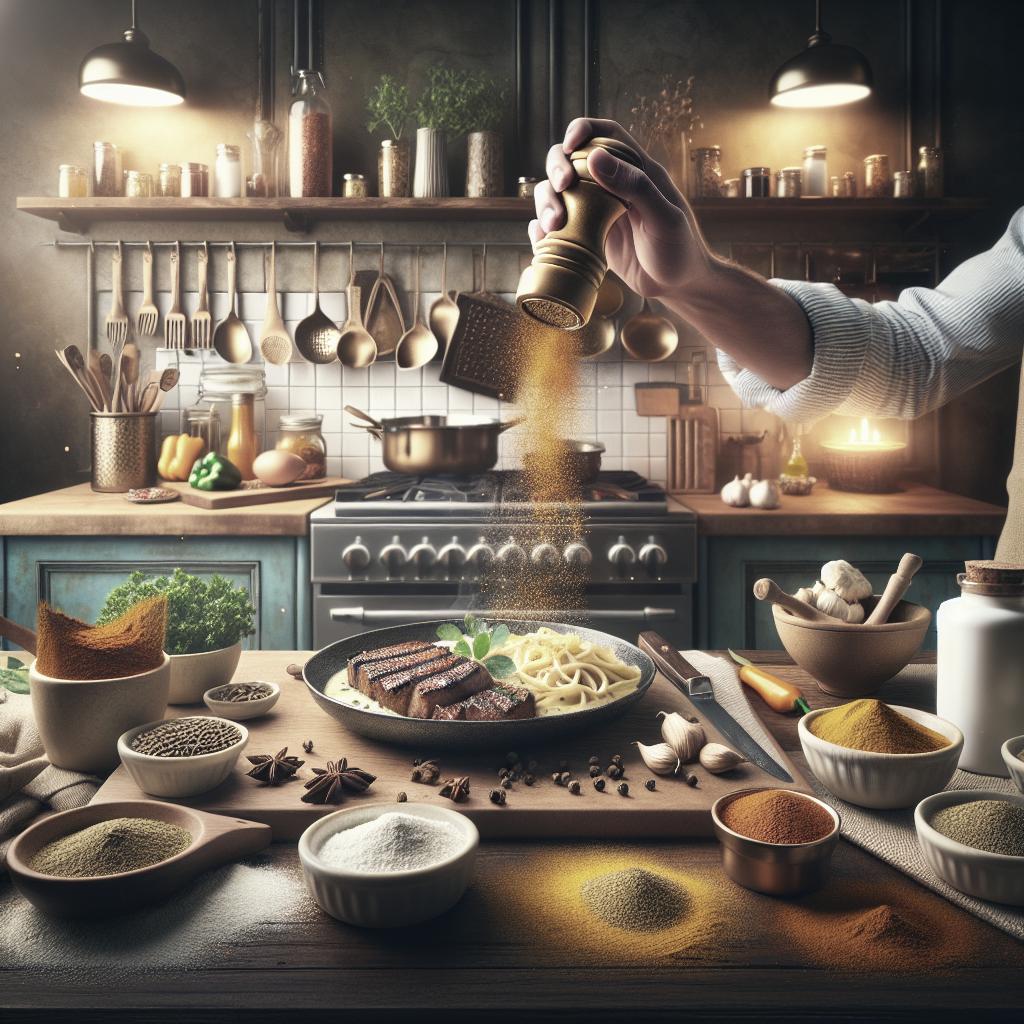
Spices are the heart and soul of Indian cuisine, transforming dishes with vibrant flavors, colors, and aromas. Integrating Indian spices into Western cooking offers a multitude of possibilities, allowing for exciting culinary innovations and enhanced palates. Whether you are a beginner or a seasoned chef, understanding the basics of Indian spices can elevate your cooking game. This guide delves into the profiles of essential, intermediate, and advanced Indian spices, explores the art of spice blends, and provides practical techniques like dry roasting and blooming. Discover how to infuse your dishes with intricate and delectable flavors as you navigate the world of Indian spices.
My Expertise & Caveats
As a journalist and communications graduate with a passion for food cultures, I’ve dedicated time to explore the nuances of global culinary practices. Indian spices intrigued me due to their complexity and versatility. Through extensive research and hands-on cooking experiments, I’ve developed insights into how these spices can enhance Western dishes without losing their original essence.
While I am knowledgeable in the subject, it’s important to remember that taste is subjective. What works for one palate may not suit another. Always start with small amounts of spice and adjust according to personal preference. Furthermore, regional variations in spice blends mean that flavors can differ significantly, so there’s always more to explore and learn.
Spice Profiles
Understanding spice profiles is crucial to effectively integrating Indian spices into Western cooking. Each spice has its own unique characteristics, including flavor, aroma, and heat level, which can transform everyday dishes. For instance, warm spices like cumin and coriander offer earthy tones, while cardamom and fennel introduce a sweet undertone.
It’s essential to pair spices wisely to enhance dishes without overwhelming them. Balancing flavors such as sweet, spicy, bitter, and sour ensures a harmonious result. By familiarizing yourself with the profiles of spices commonly used in Indian cuisines, you can skillfully infuse them into Western recipes to create innovative and enticing meals.
Essential Indian Spices
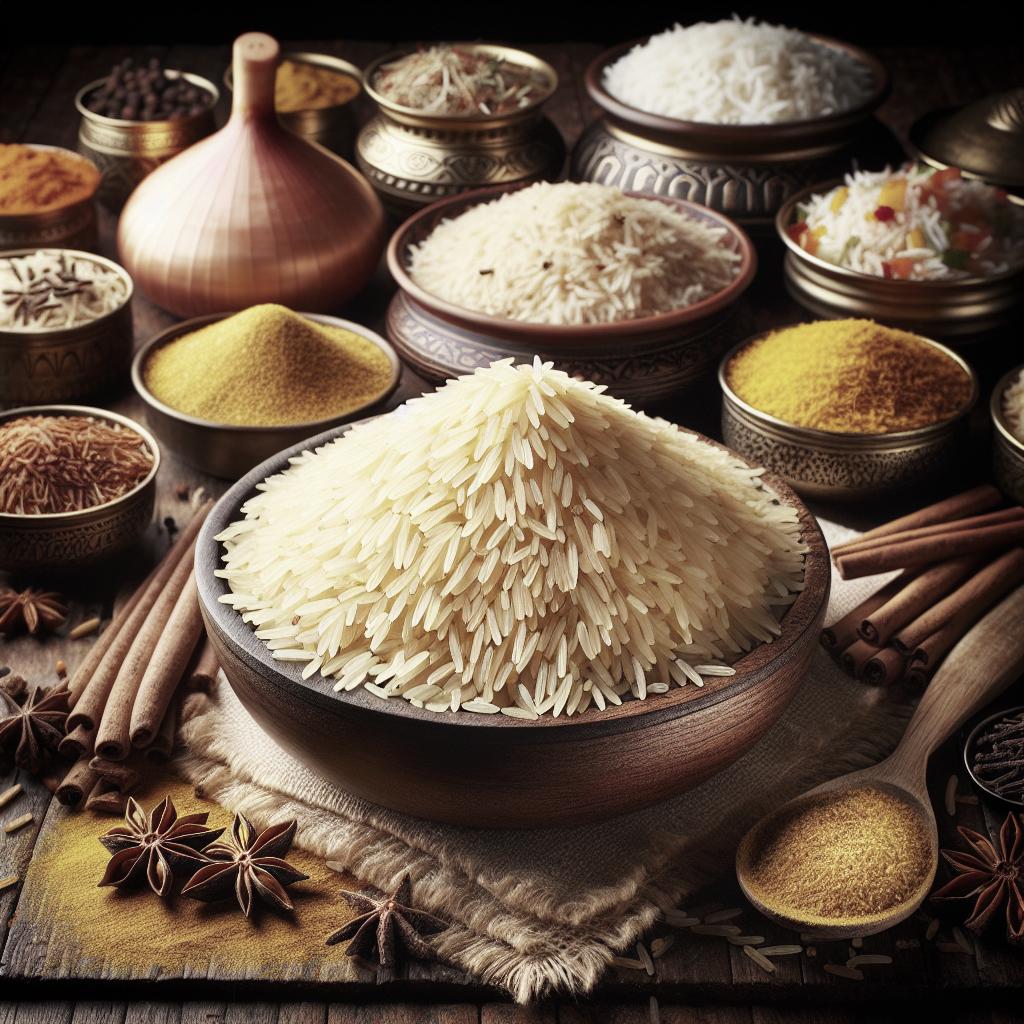
Incorporating essential Indian spices into your pantry is the first step towards a more flavorful and aromatic journey in cooking. Among these, turmeric stands out for its potent anti-inflammatory properties and bright yellow hue, which adds depth to soups, stews, and marinades. Equally important is cumin, a warm and nutty spice critical in both whole and ground forms to bring a subtle earthiness to roasted vegetables and rice dishes.
Another must-have is coriander, which imparts a citrusy fragrance and works well in rubs for meats and salad dressings. Finally, the fiery heat of red chili powder enhances dishes with a spicy kick, elevating everything from scrambled eggs to barbecue sauces. Embrace these essential spices to begin the transformation of ordinary Western dishes into something extraordinary.
Intermediate Indian Spices
Once you’re comfortable with essential Indian spices, you might want to experiment with intermediate spices to bring even more complexity to your dishes. One such spice is fenugreek, known for its slightly sweet and nutty flavor, often used in spice blends and curry powders to round out savory dishes.
Asafoetida, also known as hing, is another intriguing spice that offers a pungent aroma akin to garlic and onion. Just a pinch can elevate legume dishes and pickles with its unique profile. Lastly, incorporating black mustard seeds can add a bittersweet, peppery flavor to curries and stir-fries, bringing a depth that elevates the culinary experience.
Advanced Indian Spices
For those ready to venture into more advanced realms, there are spices like black cardamom, which packs a smoky and richly aromatic punch perfect for robust meat stews and broths. Star anise, with its licorice-like taste, is a notable spice used in complex Indian and Asian dishes, imparting sweetness to braises and simmered sauces.
Additionally, tackle the unique flavors of ajwain, which can cure digestive ailments and add a thyme-like accent to bread and roasted recipes. Mastering these advanced spices ensures a complex layering of flavors, leaving a lasting impression on both simple and elegant Western dishes.
What Is Curry Powder?
Curry powder is a Western invention that combines various spices typically used in Indian cooking, designed to replicate the flavors of an Indian curry. While convenient, curry powders vary widely in composition, with common ingredients including turmeric, cumin, coriander, and fenugreek.
Authentic Indian cuisine often relies on freshly ground spices or custom blends tailored to specific dishes. However, for Western cooks seeking a quick solution, curry powder can provide a versatile shortcut. Always choose a reputable brand that uses high-quality ingredients for the best results, and consider blending your own to tailor flavors to your liking.
What Are Spice Blends?
Spice blends or masalas form the backbone of many Indian dishes. These intricate combinations, like garam masala, chaat masala, and tandoori masala, vary widely in flavor and aroma to suit a myriad of culinary applications. Each blend is thoughtfully crafted to balance and enhance the dish it accompanies.
While pre-packaged blends offer convenience, preparing your own allows for customization and freshness. Understanding the key components and ratios can help you create unique blends tailored to specific dishes from salsas to roasts. Experimenting with spice blends offers creative freedom in both traditional and modern recipes.
Infinite Variations
The world of Indian spices offers infinite variations, where everyday Western dishes gain new dimensions through innovative pairings and combinations. The task is to build on the familiar while expanding your flavor profile with contrasting and complementary spices.
Consider mixing cumin with rosemary for grilled meats, or adding garam masala to pumpkin pie for a warm twist. The possibilities are endless, with each dish presenting an opportunity to blend cultures and tastes in delightful ways. Embrace experimentation to discover the myriad ways Indian spices can transform your culinary repertoire.
How to Use Raw Spices
Using raw spices correctly is integral to maximizing their impact. Freshly grinding spices unlocks potent flavors, elevating dishes far beyond their store-bought counterparts. Invest in a quality spice grinder or mortar and pestle to experience the full aroma and taste potential.
Raw spices can be incorporated directly into dishes, but considering techniques like dry roasting or tempering can further enhance their flavor. Mastering the use of raw spices ensures that every dish is rich in complexity and taste, delighting the palate in extraordinary ways.
Dry Roasting
Dry roasting spices is a crucial technique in both Indian and Western cooking that amplifies their flavors. This simple process involves gently heating whole spices in a dry pan over medium heat until they release their natural oils and become fragrant.
Roasting intensifies the spices’ flavors and ensures a deeper, more developed taste profile in your dishes. The resultant roasted spices can be ground into powders or used whole, providing an elevated aroma and enhanced flavor to recipes such as soups, sauces, and curry dishes.
Tips on Dry Roasting
To achieve the best results when dry roasting, regularly stir the spices to prevent burning and ensure even roasting. Heat should be kept at a medium level, as high heat can cause bitterness. Spices are ready when their aromas deepem and they slightly change color, usually within a few minutes.
Let the spices cool before grinding them to preserve their potency. Storing roasted spices in airtight containers ensures longevity and maintains freshness. These careful steps ensure that your roasted spices will impart the desired depth and flavor in every dish they enhance.
Blooming / Tempering Spices
Blooming, or tempering, spices is a technique used extensively in Indian cooking to release the full aromatic potential of spices. This involves heating whole or ground spices in hot oil at the beginning of the cooking process, unlocking flavors that infuse throughout the dish.
This method is particularly effective for spices like mustard seeds, cumin, and asafoetida. The heat brings out the essential oils, enhancing the overall flavor profile and adding complexity to soups, stews, and other savory dishes. Mastering blooming will undoubtedly enrich your cooking ventures.
Recipes with a Tadka Technique
The tadka technique, rooted in the art of blooming, is the addition of tempered spices to a dish right before serving. Common in Indian households, it involves a quick aromatizing of spices, often enhanced with lentils, garlic, and onions fried until golden in ghee or oil.
When experimenting with tadka in Western dishes, try adding it to creamy soups, pasta dishes, or even grilled vegetables for an unexpected burst of flavor. This method transforms not only the taste but also adds visual appeal, with spices and aromatics forming a colorful layer atop the dish.
Where to Purchase Spices
To integrate Indian spices in Western cooking effectively, sourcing fresh, high-quality spices is essential. Ethnic grocery stores and specialty spice shops offer a broader selection than generic supermarkets, allowing you to find uncommon spices and blends.
Online retailers have grown popular for their convenience and extensive offerings, from rare single-origin spices to curated spice kits. Reading reviews and sourcing sustainably can also ensure that you’re investing in the finest, most flavorful options. Quality spices are pivotal to achieving authentic taste and aroma.
Key Equipment
Essential equipment can greatly aid in the exploration of Indian spices. A basic yet versatile tool is the spice grinder, crucial for converting whole spices into flavorful powders that are far superior to pre-ground varieties.
An investment in sturdy cast-iron pans can enhance the roasting and tempering process, providing even heat distribution and retaining flavorful oils. The mortar and pestle, while traditional, offer a tactile experience that can bring the authentic essence of spices to life in your kitchen.
References & Further Reading
For those interested in delving deeper into the world of spices, several resources can complement this guide: “The Flavor Bible” by Karen Page and Andrew Dornenburg, which provides insights on flavor pairings. “The Indian Grocery Store Demystified” by Linda Bladholm offers an approachable guide to understanding Indian ingredients.
Keeping up with culinary blogs, cooking shows, and YouTube channels can provide practical demonstrations and novel recipes to inspire further experimentation. Exploration and continuous learning are key components of mastering the art of cooking with Indian spices.
Next Steps
| Section | Summary |
|---|---|
| My Expertise & Caveats | Experience in culinary writing with emphasis on exploration and adaptation of Indian spices. Emphasizes personal taste and regional variations. |
| Spice Profiles | Understanding individual spice characteristics for successful integration in cooking. |
| Essential Indian Spices | Turmeric, cumin, coriander, and chili powder as starters for enhancing Western dishes. |
| Intermediate Indian Spices | Exploration of fenugreek, asafoetida, and mustard seeds for more complexity. |
| Advanced Indian Spices | Incorporating bespoke spices like black cardamom, star anise, and ajwain for depth. |
| What Is Curry Powder? | Curry powder as a Western adaptation of traditional Indian curry spices. |
| What Are Spice Blends? | Understanding and experimenting with masalas for enhanced flavor. |
| Infinite Variations | Blending familiar and new spices for innovative and culturally rich dishes. |
| How to Use Raw Spices | Benefits of grinding and using fresh spices to maximize taste. |
| Dry Roasting | Process of amplifying flavors through roasting. |
| Tips on Dry Roasting | Guidelines for effective dry roasting to prevent burning. |
| Blooming / Tempering Spices | Technique to release the full aromatic potential of spices. |
| Recipes with a Tadka Technique | Incorporating tadka into Western dishes for unique flavor. |
| Where to Purchase Spices | Recommended sources for high-quality spices. |
| Key Equipment | Essential tools for exploring Indian spices effectively. |
| References & Further Reading | Resources for further exploration into the world of spices. |
“`