“`html
How to Select Quality Rice for Indian Dishes
Cooking Indian cuisine starts with a critical ingredient—rice. With a rich culinary tradition, choosing the right type of rice elevates your dish from ordinary to exceptional. This blog explores the various types of rice, focusing predominantly on Basmati, its origins, sensory cues, and buying tips. We delve into how these aspects influence flavor and texture, guiding you to make the best selection for any Indian dish you crave. Finally, once you’ve mastered buying quality rice, a fantastic pilaf recipe awaits to help you make the most of your selection.
First of All, There Are Different Kinds of Rice
Rice is a staple in many cuisines around the world, but in the context of Indian dishes, it’s paramount to understand the different kinds. Indian cuisine predominantly uses rice types like Basmati, Jasmine, and short-grained rice, each offering a unique flavor profile and texture suitable for specific dishes. Basmati is long-grained and known for its fragrant aroma, while Jasmine has a slightly sticky texture, perfect for certain Asian-style dishes. Short-grained rice, on the other hand, is ideal for creating thicker, more substantial rice dishes like Indian khichdi.
Knowing how each type interacts with flavors and spices is essential for achieving the culinary authenticity Indian cuisine is known for. For instance, a Biryani made with Basmati offers a completely different experience than using Jasmine or short-grained rice. Therefore, familiarizing yourself with the properties of each type can profoundly impact your cooking’s taste and authenticity.
Where Does Basmati Rice Come From?
Basmati rice hails from the Indian subcontinent, primarily cultivated in the fertile regions at the foothills of the Himalayas. Known as the “King of Rice,” Basmati has been a part of the Indian culture for centuries, boasting a rich history of both cultivation and culinary use in various celebratory dishes.
Its geographical indication (GI) tagging underscores its importance, safeguarding its authenticity and ensuring that any Basmati rice considered genuine must come from this specific region. The dedication to growing Basmati in these regions ensures the maintained quality and consistency that chefs seek across the globe, making it an emblem of Indian culinary pride.
How Does It Smell? What Does It Taste Like? What’s It Good For?
Basmati is distinguished by its aromatic fragrance and delicate flavor. The fragrance is reminiscent of pandan leaves, filled with sweet, floral notes that add a depth of aroma as it cooks. This smell alone is enough to elicit the appetite, making half the magic of cooking with Basmati the moment it hits the boiling pot.
In terms of taste, Basmati offers a slightly nutty, buttery flavor that pairs well with various spice profiles—from the saffron-infused flavors of biryani to the more subdued charm of pilaf. Its light, fluffy texture when cooked makes it incredibly versatile, suitable for an assorted range of dishes from pilafs and biryanis to simple steamed accompaniments.
How Do I Buy the Good Stuff? What Do I Look For?
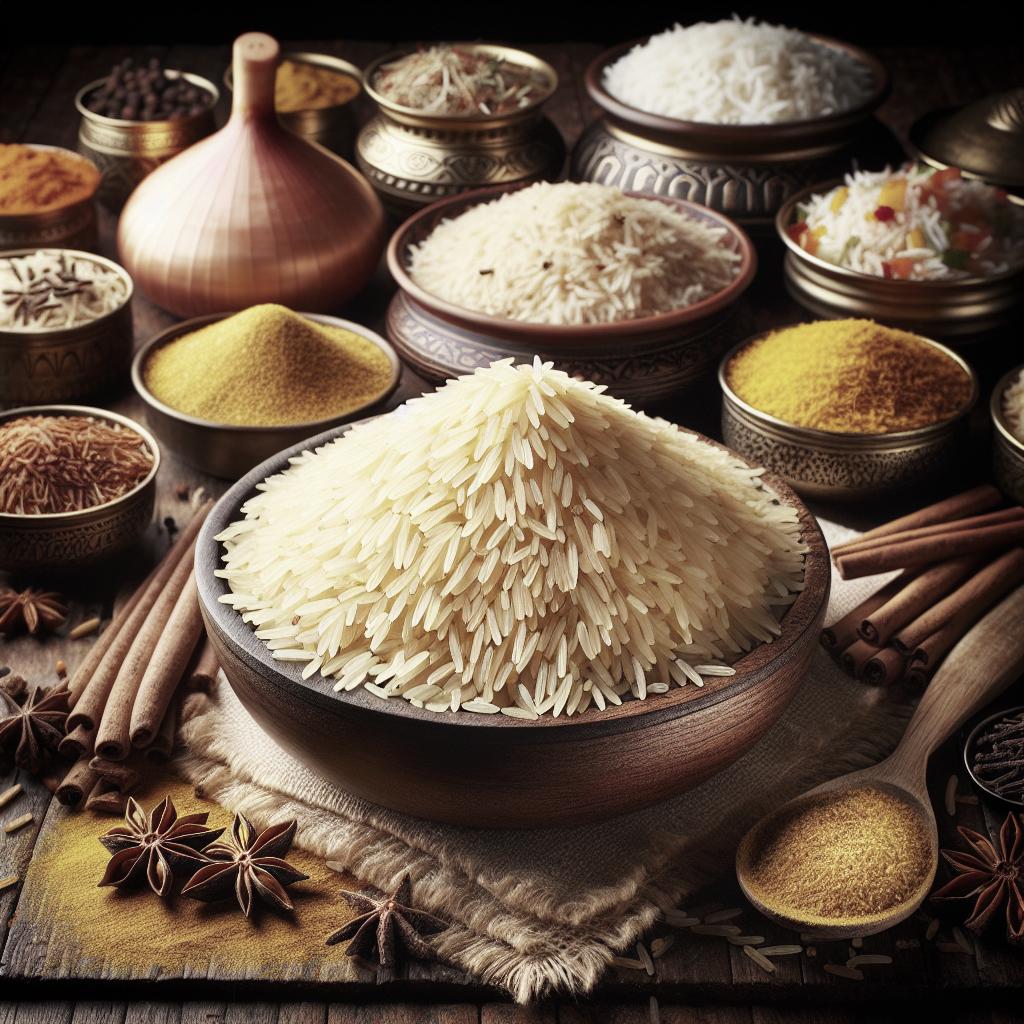
When shopping for Basmati rice, a few indicators can guide you to a high-quality selection. Start with the brand; reputable brands often uphold superior quality through rigorous sourcing standards. The length and slenderness of the grain are key indicators—good quality Basmati should be long and slender, ensuring fluffiness and separation upon cooking.
Consider checking the packaging date; fresh Basmati rice provides better aroma and flavor. Furthermore, smelling the rice from the packet can offer a preview of its quality—a strong, distinctive scent signifies a quality product. Lastly, opt for aged Basmati if available, as aging helps enhance the grain’s aromatic properties and cooking characteristics, making it the preferred choice for many connoisseurs and chefs.
And Once You Buy That Good-Good? Make Some Damn Pilaf.
Having secured quality rice, you are now ready for culinary experimentation. Pilaf is a classic, versatile dish that allows the aromatic properties of Basmati rice to shine. Start by rinsing the rice to remove excess starch, which helps ensure it cooks fluffy and separate. Use a precise rice-to-water ratio, typically one part rice to one and a half parts water, or broth for added flavor.
Fry some aromatic spices such as cumin seeds, cinnamon, and cardamom in oil or ghee before adding the rice and liquid. This technique unlocks the spices’ essential oils, enriching the rice with deep flavors. Allow the liquid to reach a boil, cover, and simmer until the rice is fluffy and fully cooked. The outcome is a fragrant and flavorful pilaf that can stand alone or complement any Indian dish.
Future Prospects
| Aspect | Summary |
|---|---|
| Varieties of Rice | Understanding the distinctiveness of Basmati, Jasmine, and short-grained rice for authentic Indian cooking. |
| Origin of Basmati | Basmati’s roots in the Indian subcontinent contribute to its renowned quality. |
| Aroma and Flavor | Basmati’s aromatic, nutty flavor makes it ideal for dishes like biryani and pilaf. |
| Buying Tips | Look for reputable brands, aged rice, and a fragrant aroma when selecting quality Basmati. |
| Cooking Pilaf | Leverage Basmati’s qualities for making a flavorful pilaf with aromatic spices. |
“`