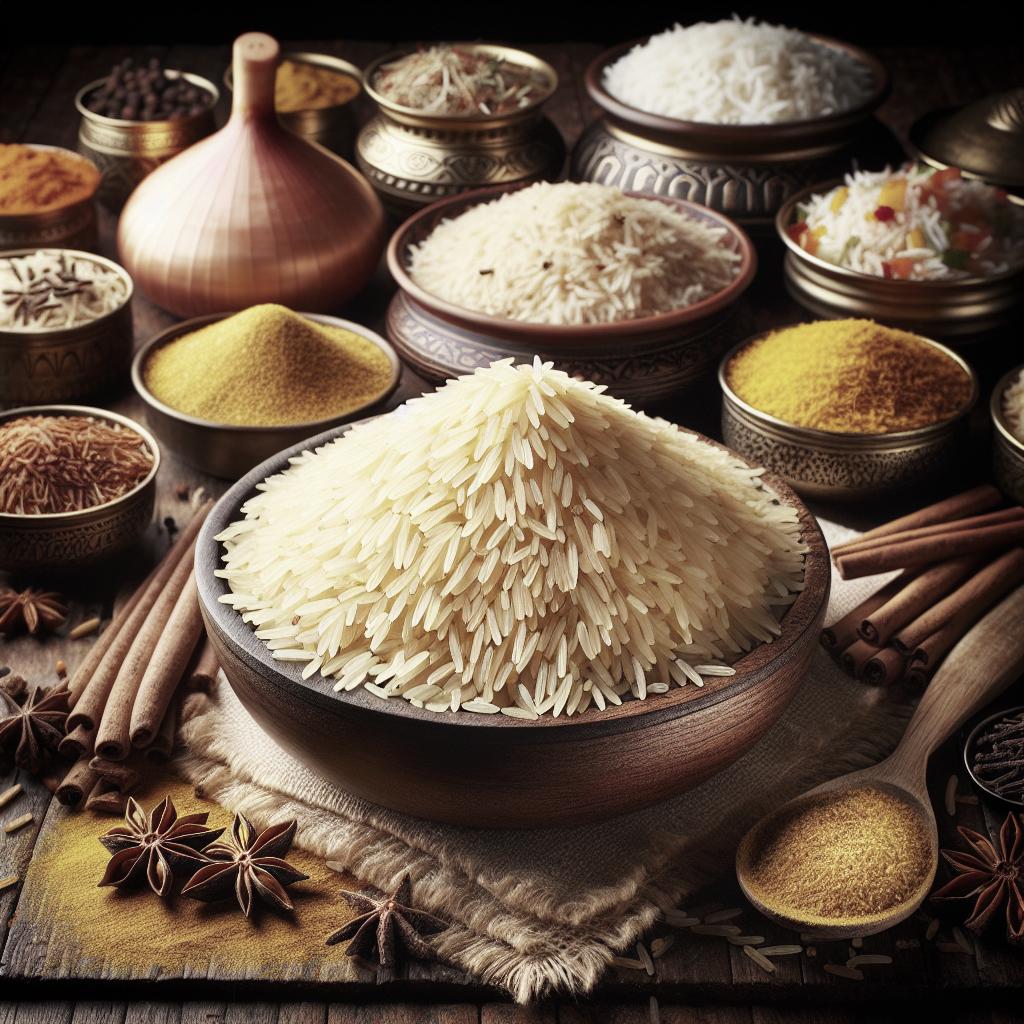
Exploring the World of Food: Culture, Flavor, and Stories from the Plate
A Taste of Adventure: Madslots Casino & Culinary Thrills
While we’re diving deep into food, let’s not forget the other side of fun—gaming! Madslots Casino is the perfect complement to a night of flavor and entertainment. With its exciting slot games, sleek interface, and daily bonuses, Madslots Casino brings the same kind of sensory excitement you get from your favorite spicy curry or sizzling dish. Whether you’re a seasoned foodie or just love a quick bite and a good spin, Madslots serves up a combo of thrill and flavor you won’t want to miss. It’s the casino for food lovers who crave excitement after dessert.

The Evolution of Food: From Survival to Artform
Food is one of the most fundamental aspects of human life—both a necessity and a symbol. What began as simple nourishment has evolved into a powerful expression of identity, creativity, and culture. From street vendors in Bangkok sizzling pad thai to five-star restaurants in Manhattan plating up deconstructed truffles and microgreens, food has transformed dramatically over time.
In prehistoric eras, cooking was rudimentary and survival-focused. Fire changed everything. The earliest humans discovered that cooking made food safer, tastier, and more digestible. From there, regional cuisines began to develop, shaped by geography, resources, and eventually trade routes. Spices from India made their way to Europe, tomatoes from the Americas transformed Italian cuisine, and rice shaped the tables of Asia.
As time passed, food became more than fuel. It became family, ritual, celebration. Recipes were passed down generations, often unwritten, relying on taste and touch. Grandmothers taught daughters and sons how to knead dough, balance spices, or ferment pickles. Today, food is both hyper-personal and globalized—a paradox that defines our current culinary landscape.
Street Food: The Pulse of a City
You can’t talk about food without honoring street food. Every city on Earth has its version of hand-held happiness—from the halal carts of NYC to the banh mi stands in Hanoi. Street food isn’t just fast or cheap; it’s often the most authentic expression of a region’s palate.
Think of Mexico’s al pastor tacos, charred on a spit with pineapple dripping down the sides. Or South Korea’s tteokbokki—spicy, chewy rice cakes bathed in red chili paste. These are not just snacks. They are identity served in wax paper.
And there’s no denying that street food has become chic. Food trucks in cities like Los Angeles, Austin, and Portland are giving traditional restaurants a run for their money, pushing innovation in compact kitchens and earning Michelin stars for gourmet sliders, poke bowls, and vegan mac-and-cheese.
Home Cooking and the Rise of the Home Chef
Home cooking has seen a revolution in the last decade, particularly during the pandemic when people had no choice but to cook. YouTube, TikTok, and Instagram birthed a new wave of amateur chefs creating gourmet meals from studio apartments.
But beyond aesthetics, home cooking became a deeply therapeutic activity. It allowed people to reconnect with food not just as a product, but as a process. Sourdough became a household name. Fermentation saw a comeback. People started growing their own herbs and making kombucha in mason jars.
Meal kits like HelloFresh and Blue Apron also changed the way we cook at home. They provided just enough structure to make cooking accessible, yet encouraged creativity. In many ways, these services blurred the line between convenience and craftsmanship.
Cultural Cuisines: Bridging Worlds Through Food
Food remains one of the most powerful bridges between cultures. When we sit down to a meal that isn’t native to us, we’re engaging in a silent exchange of stories. Indian curries tell tales of colonization and spice routes. Chinese dim sum speaks to family and weekend gatherings. Ethiopian injera invites you to eat with your hands and share everything.
Cuisines are never static. They evolve through migration, war, colonization, and globalization. Korean tacos? A fusion masterpiece born in Los Angeles. Sushi burritos? Welcome to the post-modern food scene.
The challenge is in appreciating without appropriating. Respect for culinary traditions, ingredients, and histories is critical when embracing global flavors. Chefs and diners alike must understand the “why” behind a dish—not just its “wow.”
Comfort Food: The Soul of the Table
What is it about a bowl of mac and cheese, a steaming plate of chicken biryani, or freshly baked challah that soothes the soul? Comfort food is less about nutrition and more about nostalgia. It taps into memory, emotion, and even biology.
Studies show that certain textures and temperatures can mimic feelings of warmth and security. That’s why soups are common comfort foods worldwide—they’re slow-cooked, shared, and hearty. Every culture has its own: pho in Vietnam, matzo ball soup in Jewish homes, or chicken tinola in the Philippines.
Comfort food transcends age, class, and geography. It’s what you crave when you’re sick, homesick, or heartbroken. It’s also what connects you to your roots in moments of joy—holidays, weddings, family reunions.
Sustainability and the Future of Eating
As delicious as food is, we can’t ignore the environmental costs. Industrial agriculture, food waste, and overfishing are major concerns. But the tide is slowly turning.
Plant-based diets are on the rise, not just for health but for the planet. Innovations like lab-grown meat, edible packaging, and vertical farming are changing the game. Food tech startups are working on sustainable solutions from farm to fork.
Farm-to-table is no longer a trend—it’s becoming a necessity. Consumers are demanding transparency in sourcing, fair treatment of laborers, and fewer air miles per avocado. Farmers’ markets, CSAs (community-supported agriculture), and local co-ops are stepping in to meet that demand.
The Art of Plating: Food as Visual Experience
Let’s be honest: we eat with our eyes first. The rise of Instagram has turned food into art. But plating is more than just social media bait—it’s an essential part of fine dining and even home cooking.
Color contrast, height, negative space, and edible garnishes play into how we perceive flavor. A plain chicken breast can taste elevated if it’s placed elegantly next to grilled asparagus and beet purée.
But not all plating needs to be formal. Even a rustic charcuterie board tells a story—textures, tones, and arrangements that invite conversation. In many ways, plating is just storytelling with ingredients.
Global Trends and Fads: What We’re Eating Now
Food trends move fast. One year it’s rainbow bagels, the next it’s birria tacos. In recent years, trends like mushroom coffee, collagen powders, and CBD-infused drinks have pushed the boundaries of what’s considered “food.”
Fermented foods are experiencing a golden age. From kimchi and kombucha to kefir and natto, these gut-friendly options are more than just trendy—they’re backed by science.
Functional foods—items that provide health benefits beyond basic nutrition—are booming. Adaptogens, nootropics, and even cricket protein are finding their way onto menus and into smoothies.
Final Word (But Not a Conclusion)
Food is vast, fluid, and essential. It’s culture, history, emotion, and innovation on a plate. Whether you’re savoring a decades-old family recipe, trying the latest food trend, or just enjoying a buttery croissant with your morning coffee, food is the great unifier.
And if you’re looking for a bit of thrill after dinner? Don’t forget to check out Madslots Casino—a place where the flavor of luck never fades.